IoT New Technology for Industries
Hello, how are you? In today’s fast-paced world, the integration of IoT new technology into various industries has become increasingly vital. This trend not only enhances efficiency but also improves productivity. With the rapid advancements in technology, it is essential for you to stay informed about these innovations, as they play a significant role in shaping the future of industries.
Contents:
- Overview of IoT New Technology
- Benefits of IoT for Industries
- Implementation Challenges
- Case Studies in Various Sectors
- Future Trends in IoT Technology
- IoT Security Issues
- Investment in IoT Solutions
- Conclusion on IoT New Technology
We invite you to continue reading, as the in-depth exploration of IoT new technology for industries will provide you with valuable insights that can enhance your understanding and application of these technologies in your work. There’s much to learn about how these advancements can transform industrial landscapes and the way businesses operate. Stay tuned for more information!
Overview of IoT New Technology
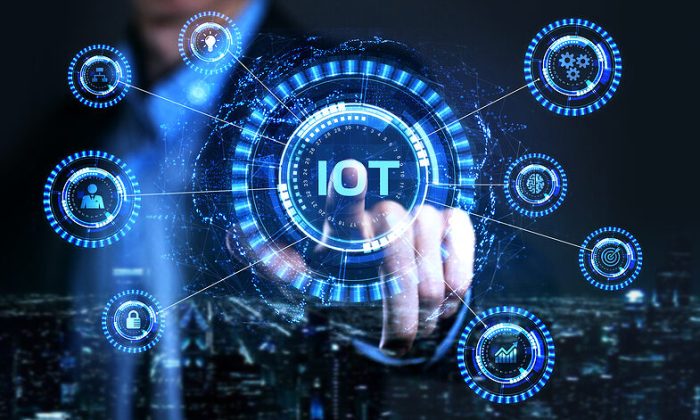
The Internet of Things (IoT) is revolutionizing the landscape of industries by providing new technological solutions that enhance efficiency and productivity. In recent years, innovations in sensor technology, data analytics, and connectivity have paved the way for smarter operations and deeper insights into business processes. With IoT, machines and devices can communicate seamlessly, allowing for real-time monitoring and automated decision-making that significantly reduces downtime and operational costs.
Furthermore, the integration of artificial intelligence with IoT devices is transforming the way industries approach challenges. From predictive maintenance in manufacturing to optimized supply chain management, IoT is enabling organizations to be more agile and responsive. This not only improves overall performance but also fosters a more sustainable approach to resource utilization. As industries continue to embrace this technology, the potential for innovation and growth is limitless.
Benefits of IoT for Industries
The Internet of Things (IoT) is revolutionizing industries by connecting devices and enabling seamless communication. With the integration of IoT technology, industries can enhance efficiency, reduce operational costs, and innovate their processes. One major benefit of IoT is the ability to collect real-time data, which provides valuable insights for decision-making.
Enhanced Operational Efficiency
IoT allows for real-time monitoring of machinery and processes, leading to improved operational efficiency. Sensors embedded in equipment can track performance and send alerts for maintenance, thereby minimizing downtime.
Cost Reduction
Implementing IoT solutions can lead to significant cost savings. By optimizing resources and processes, industries can reduce waste and lower energy consumption. For instance, smart meters can help companies monitor and manage energy usage more effectively.
Improved Data Insights
With IoT, large volumes of data are collected and analyzed, providing deeper insights into customer behavior and market trends. This data-driven approach helps industries tailor their offerings to meet customer expectations.
Innovative Business Models
IoT encourages industries to adopt innovative business models such as subscription services and pay-per-use systems. By leveraging IoT data, companies can create personalized experiences for customers, enhancing their competitive advantage.
| IoT Benefit | Description |
|---|---|
| Operational Efficiency | Real-time monitoring of equipment and processes. |
| Cost Reduction | Optimized resource management leads to lower expenses. |
| Data Insights | Deeper understanding of market trends and customer behavior. |
| Innovation | New business models and tailored customer experiences. |
Implementation Challenges
The integration of Internet of Things (IoT) technologies in various industries promises significant enhancements in efficiency and productivity. However, organizations frequently face numerous implementation challenges when trying to adopt these new technologies. Issues such as data security, interoperability among devices, and the high cost of initial setup can hinder progress. Moreover, the lack of skilled personnel capable of effectively managing these systems adds another layer of complexity to the implementation process.
In addition to technical difficulties, organizations must also navigate the cultural shifts that come with deploying IoT solutions. Employees may resist changes to their established workflows, leading to potential friction within teams. Consequently, fostering an environment that embraces innovation is essential for smooth transitions. As stated in a recent analysis, “Organizations must ensure that both technology and human factors are considered when implementing IoT solutions.”
Case Studies in Various Sectors
The Internet of Things (IoT) has revolutionized many industries by providing innovative solutions to traditional problems. In sectors like manufacturing, healthcare, and agriculture, IoT technologies have led to significant improvements in efficiency and productivity. For instance, in the manufacturing sector, companies are utilizing IoT sensors to monitor equipment in real-time, enabling predictive maintenance and reducing downtime. This not only enhances operational efficiency but also contributes to cost savings.
Manufacturing Sector
In manufacturing, IoT applications can help in monitoring production lines and ensuring quality control. By integrating smart devices, companies can collect data that leads to better decision-making processes. The shift towards a connected factory enables seamless communication between machines and humans, which is crucial for meeting modern production demands.
Healthcare Sector
Healthcare has also seen significant advancements through IoT. Wearable devices allow for real-time patient monitoring and data collection, facilitating quicker responses to patient needs. Moreover, IoT-enabled medical devices can improve overall patient care by fostering better communication between healthcare providers and patients.
Table of Comparisons
| Sector | IoT Application | Benefits |
|---|---|---|
| Manufacturing | Real-time monitoring | Reduced downtime |
| Healthcare | Wearable devices | Improved patient care |
| Agriculture | Automated irrigation | Water conservation |
| Logistics | Fleet tracking | Enhanced efficiency |
Future Trends in IoT Technology
The Internet of Things (IoT) continues to evolve, and its integration into various industries is set to transform the way businesses operate. As companies embrace IoT technology, we can expect to see trends that include increased connectivity, advanced data analytics, and enhanced automation. One significant trend is the adoption of edge computing, which allows data processing to occur near the source of data generation, thus reducing latency and bandwidth usage.
Moreover, the security of IoT devices is becoming a top priority. As more devices get connected, they become potential targets for cyberattacks. To counteract this, the industry is expected to see advancements in security protocols, ensuring that data integrity and user privacy are maintained.
Finally, sustainability in IoT technology is gaining traction. Companies are increasingly looking for ways to utilize IoT to reduce waste and improve efficiency, leading to a greener future. Technologies such as smart sensors and automated resource management systems will play pivotal roles in optimizing resource use across various sectors.
IoT Security Issues
The rise of IoT (Internet of Things) technology has transformed several industries, but it has also introduced significant security challenges. As more devices become interconnected, the potential for vulnerabilities increases, placing sensitive data and systems at risk. It is crucial for organizations to understand the implications of these security issues to safeguard their assets and maintain consumer trust. Some of the primary concerns include:
- Insufficient device authentication methods
- Lack of encryption in data transmission
- Inadequate software updates and patches
- Weak, hardcoded passwords in devices
- Exploitable hardware vulnerabilities
- Insufficient monitoring and logging of IoT activity
- Threats from connected devices being hijacked for botnets
- Data privacy concerns regarding user information
As technology continues to evolve, addressing these security challenges will be essential for the long-term success and adoption of IoT across various sectors.
Investment in IoT Solutions
The rapid advancement of Internet of Things (IoT) technologies is reshaping various industries, leading to greater efficiencies and new business models. Companies are increasingly recognizing the potential returns on their investments in IoT solutions. For instance, manufacturers are harnessing IoT for predictive maintenance, which can significantly reduce downtime and maintenance costs. Furthermore, smart logistics and supply chain management powered by IoT can improve operational efficiency, enhancing productivity and customer satisfaction.
Comparative Benefits of IoT Investment
When assessing the effectiveness of IoT technologies, it is essential to consider the vast benefits they provide in comparison to traditional methods. Below is a table showcasing key aspects:
| Aspect | Traditional Methods | IoT Solutions |
|---|---|---|
| Data Collection | Manual entry and reporting | Automated and real-time data acquisition |
| Decision Making | Slow, based on historical data | Fast, leveraging real-time analytics |
| Operational Costs | Higher due to inefficiencies | Lower due to optimized processes |
| Customer Insights | Limited access to buyer behavior | In-depth analytics and personalized experiences |
Conclusion on IoT New Technology
In summary, the Internet of Things (IoT) represents a significant leap forward in technology that can transform industries in unprecedented ways. By enabling devices to connect, communicate, and make intelligent decisions, IoT enhances efficiency, reduces costs, and improves overall productivity. Industries such as manufacturing, agriculture, and healthcare stand to benefit immensely from these advancements, leading to smarter operations and better outcomes.
As we move forward, the integration of IoT technologies will likely play a crucial role in driving innovation and economic growth. However, it is essential to address the challenges associated with security and data privacy to fully capitalize on the potential that IoT offers. The collaboration between businesses, technology providers, and regulatory bodies will be key to ensuring a successful and safe implementation of IoT solutions.
In the words of a prominent industry expert, The future of industries is not just about automation but about creating a connected ecosystem that adds value to every process. This quote encapsulates the essence of IoT technology and its implications for the industrial landscape.
As we conclude our exploration of IoT and its impact on various sectors, we invite you to broaden your knowledge with more relevant content. Feel free to check out our