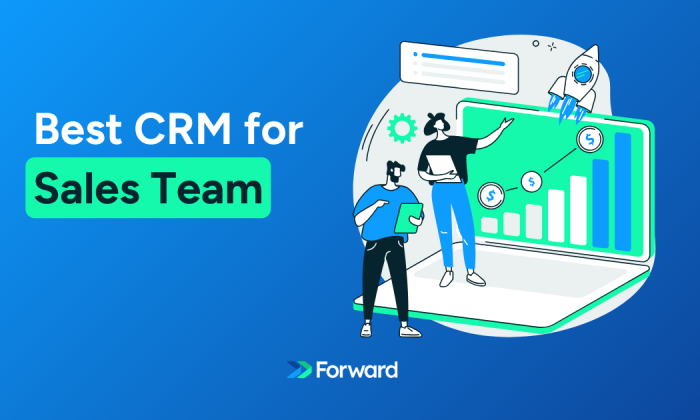
Moreover, automation enhances forecasting accuracy and performance analytics, helping managers make informed decisions. Overall, leveraging CRM automation transforms sales processes into a more productive, streamlined, and customer-centric experience, driving growth and competitive advantage in today’s market.
Integrating Customer Relationship Management (CRM) systems with existing sales software is a strategic move that can significantly enhance business efficiency and customer insights. By connecting these platforms, companies streamline data flow between sales teams and customer management, reducing manual entry and errors.
This integration enables real-time access to customer information, sales history, and communication records, allowing sales representatives to tailor their approaches based on comprehensive insights.
Additionally, it supports better forecasting and reporting by consolidating data in one place, improving decision-making processes. Seamless integration also fosters improved collaboration across departments, ensuring everyone works with consistent, up-to-date information.
Ultimately, integrating CRM with sales software drives productivity, enhances customer satisfaction, and provides a competitive advantage in dynamic markets.
Measuring Sales Performance Through CRM Metrics
Measuring sales performance through CRM metrics offers businesses a clear lens to evaluate their effectiveness in converting leads into customers. By analyzing data such as lead response time, conversion rates, and average deal size, companies can identify strengths and areas needing improvement.
CRM tools provide real-time insights, enabling sales teams to adjust strategies promptly and improve customer engagement. Additionally, tracking customer retention and lifetime value helps in understanding long-term success beyond initial sales.
These metrics collectively empower organizations to make data-driven decisions, optimize sales processes, and enhance overall productivity. Effective use of CRM analytics transforms raw data into actionable intelligence, ultimately driving revenue growth and fostering stronger client relationships.
This
Ultimately
Integrating CRM tools into your sales strategy can truly transform the way you connect with customers and manage your sales process, leading to increased efficiency and better results. By leveraging the right technology and aligning it with your team’s goals, you can create a seamless experience that drives growth and builds long-term relationships.
Thanks for reading this article—stay tuned for more insightful content, and don’t forget to share it with your friends. Thank you!