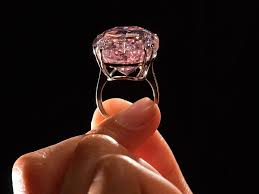
Lower Prices For Top Diamonds
How are you? In the world of gemstones, lower prices for top diamonds are something that everyone desires. It is essential to comprehensively understand the market, quality, and value of diamonds to make informed purchasing decisions. By exploring this article, you will gain insights that can help you navigate the engaging yet complex landscape of diamond purchasing.
Table of Contents:
- Understanding Lower Prices
- What Defines Top Diamonds?
- Evaluating Diamond Quality
- Current Market Trends
- Tips for Buying Diamonds
- Investment Value of Diamonds
Feel free to continue reading and dive deeper into the fascinating world of diamonds. This journey will equip you with the knowledge to identify lower prices and to choose the highest quality top diamonds. Each section will unveil crucial information that will enhance your understanding and refine your purchasing ability. Always remember, the right diamond at the right price is not just a treasure; it’s an investment in memories and value!
Understanding Lower Prices
In recent years, the diamond market has seen a significant shift towards lower prices for top-quality stones. This trend is primarily driven by advancements in technology and changes in consumer preferences. With the rise of lab-created diamonds, natural diamonds are often priced more competitively than before, making them more accessible to a wider audience.
Factors Influencing Price
Several factors contribute to the current pricing landscape for diamonds. These include:
Market Demand
The demand for luxury items like diamonds fluctuates based on global economic conditions. Currently, consumers are more budget-conscious, seeking value without sacrificing quality. This shift has prompted retailers to adapt their pricing strategies.
Technological Advancements
Technology has played a crucial role in diamond production and distribution. With better tools and methods, lab-created diamonds can be produced at a fraction of the cost of natural diamonds, affecting the market as a whole.
Consumer Education
As consumers become more informed about their options, they are more confident in choosing alternatives that fit their budget. There’s an increasing awareness of the differences between natural and lab-created diamonds, influencing buying decisions.
Comparison Table of Diamond Prices
| Type of Diamond | Average Price per Carat | Quality Rating |
|---|---|---|
| Natural Diamond | $10,000 | High |
| Lab-Created Diamond | $3,000 | Comparable to Natural |
| Industrial Diamond | $300 | Low |
As the diamond industry continues to evolve, understanding the factors that drive lower prices can help consumers make informed purchasing decisions. Embracing these changes can lead to significant savings while still obtaining a beautiful piece of jewelry.
What Defines Top Diamonds?
The world of diamonds is intricate, and understanding what defines top diamonds can help consumers make informed choices. A top diamond is typically characterized by its quality, which is often assessed based on the Four Cs: Cut, Clarity, Color, and Carat weight. These attributes play a crucial role in determining both the beauty and value of a diamond.
- Cut: The way a diamond is cut affects its brilliance and sparkle.
- Clarity: This refers to the presence of inclusions or blemishes in the diamond.
- Color: The less color a diamond has, the higher its value.
- Carat: This measures the weight of the diamond; higher carat weight generally translates to a higher price.
- Certification: Top diamonds are often certified by reputable grading organizations.
- Brand: Well-known brands can sometimes influence the perceived value of a diamond.
- Market Demand: The demand for specific types of diamonds can drive prices up or down.
- Ethical Sourcing: Increasingly, consumers value diamonds that are sourced ethically, impacting their desirability.
Evaluating Diamond Quality
When it comes to purchasing diamonds, understanding their quality is crucial. The four Cs—cut, color, clarity, and carat weight—serve as the fundamental criteria for evaluating a diamond. Each of these factors contributes to the overall value and aesthetic appeal of the diamond. For example, a well-cut diamond will reflect light beautifully, enhancing its brilliance and fire. In contrast, a diamond with poor cut quality may appear dull even if it has high clarity and color ratings.
- The cut determines how well the diamond reflects light.
- Color grades range from D (colorless) to Z (light yellow or brown).
- Higher clarity ratings indicate fewer inclusions and blemishes.
- Carat weight affects the diamond’s size and value.
- Certification from a reputable gemological lab adds to the diamond’s credibility.
- Market demand for specific features influences pricing.
- Understanding the quality helps in making informed purchasing decisions.
- Lower prices can still reflect high quality if sourced responsibly.
Current Market Trends
As the market evolves, there has been a noticeable shift in the pricing of high-quality diamonds. Recent analysis shows that lower prices for top diamonds are becoming more prevalent. This trend can be attributed to several factors, including increased competition among vendors and an oversight on supply and demand dynamics. Consumers are finding that they can acquire exceptional quality diamonds at more accessible price points, prompting more investment in these gems.
Furthermore, the rise of online platforms facilitates easier comparisons of diamond prices and quality. Transparency in the market is leading to more informed buyers, further driving prices down.
| Diamond Quality | Previous Average Price | Current Average Price |
|---|---|---|
| IF (Internally Flawless) | $30,000 | $25,000 |
| VVS1 | $20,000 | $15,000 |
| VS2 | $15,000 | $10,000 |
| SI1 | $10,000 | $7,500 |
Tips for Buying Diamonds
When it comes to purchasing diamonds, especially if you are looking for lower prices for top-quality stones, there are several key factors to consider. Understanding the Four Cs (Cut, Color, Clarity, and Carat) will significantly enhance your buying experience and enable you to make an informed decision. Each of these characteristics plays a crucial role in determining the overall value of the diamond.
- Research and understand the Four Cs of diamonds.
- Set a budget before you start shopping.
- Consider alternative diamond shapes, which may be priced lower.
- Shop during off-peak seasons for better deals.
- Look for promotional sales or discounts.
- Inspect the diamond using a jeweler’s loupe.
- Ask about certification from recognized gemological laboratories.
- Consider purchasing online for more competitive pricing.
- Think about choosing a diamond with a slightly lower grade to save costs while still appearing stunning.
Investment Value of Diamonds
In recent years, the diamond market has seen fluctuations in pricing, prompting investors to reconsider the potential of diamonds as a viable investment. Lower prices for top diamonds may indicate a shift in market dynamics, but they also present intriguing opportunities for savvy investors looking to diversify their portfolios.
High-quality diamonds, traditionally viewed as a stable investment, are now available at more accessible prices. This trend opens the door for new investors to enter the market. It is essential to understand that while lower prices may signify a bargain, they also require careful consideration of the quality, certification, and long-term value of the diamonds being purchased.
Ultimately, investing in diamonds can serve as a way to hedge against inflation and market volatility. As the global economy evolves, diamonds continue to hold a unique place in the investment landscape. With expert guidance and thorough research, investors can navigate these changes effectively and reap the rewards.“Investing in diamonds is not just about the beauty; it is also about the enduring value they represent in uncertain times.”
In conclusion, while the lower prices for top diamonds may seem appealing, it is crucial to approach such investments with knowledge and caution. Understanding the market trends and the intrinsic value of diamonds can lead to fruitful investment opportunities. As we explore the evolving landscape of diamond investments, it becomes clear that informed decisions can yield significant benefits.
We hope you found this discussion enlightening. Until we meet again in another interesting article, thank you!